Meet the flock

The birds behind the colour.

Every pair in our collection borrows its palette from a real parrot. Discover where each bird comes from, how long its story can last and what responsible care truly asks of us.

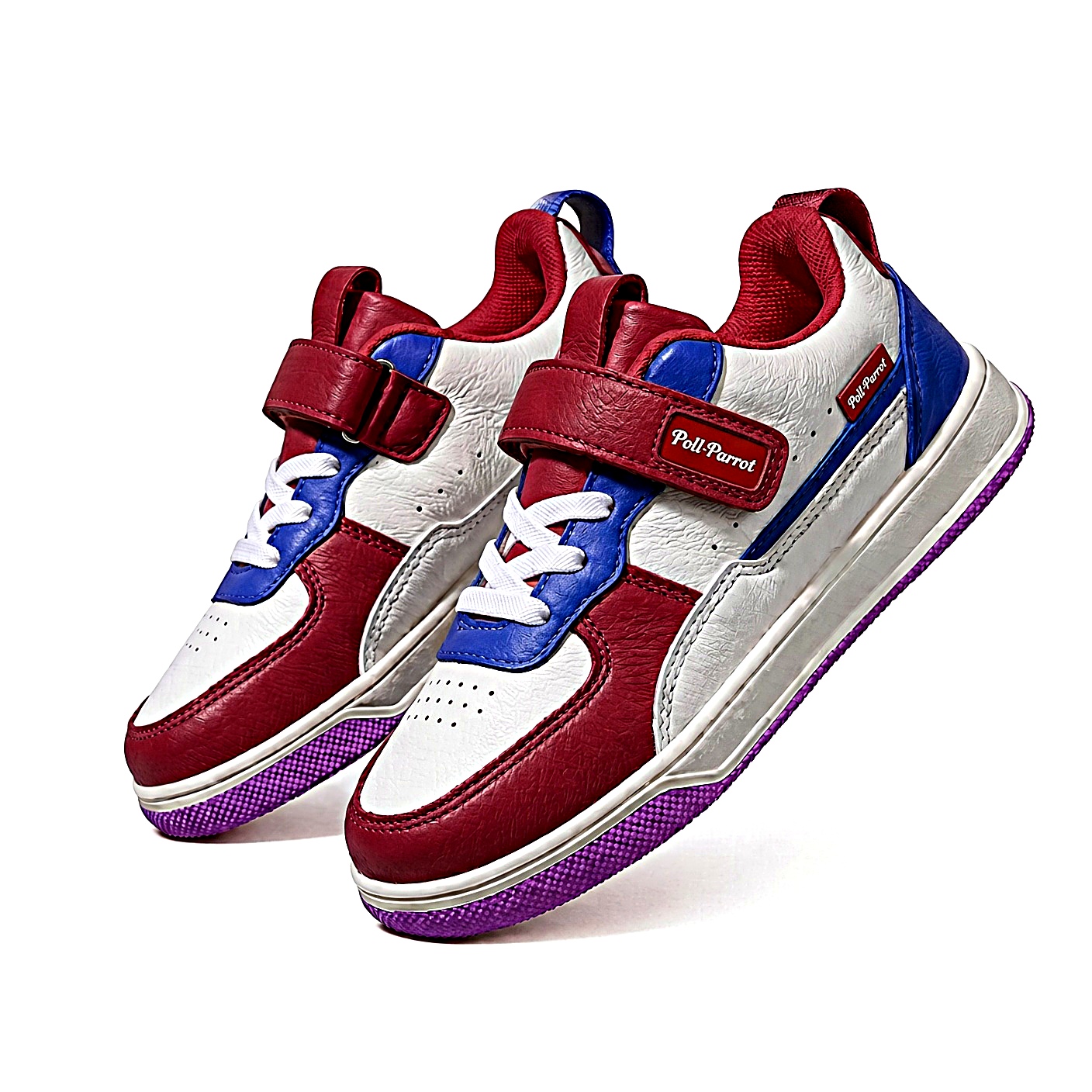
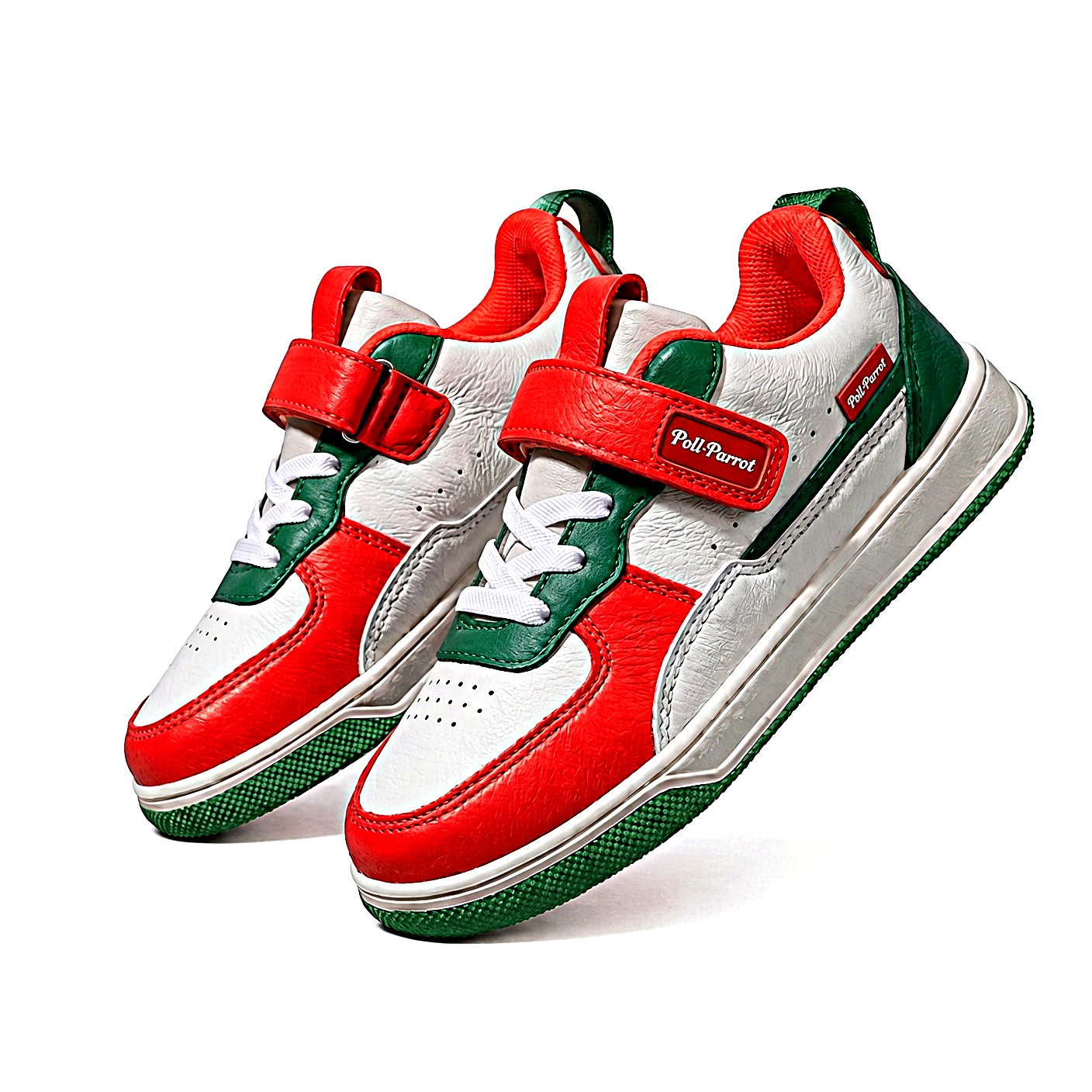
Scarlet Macaw inspired Poll-Parrot shoesThe shoe
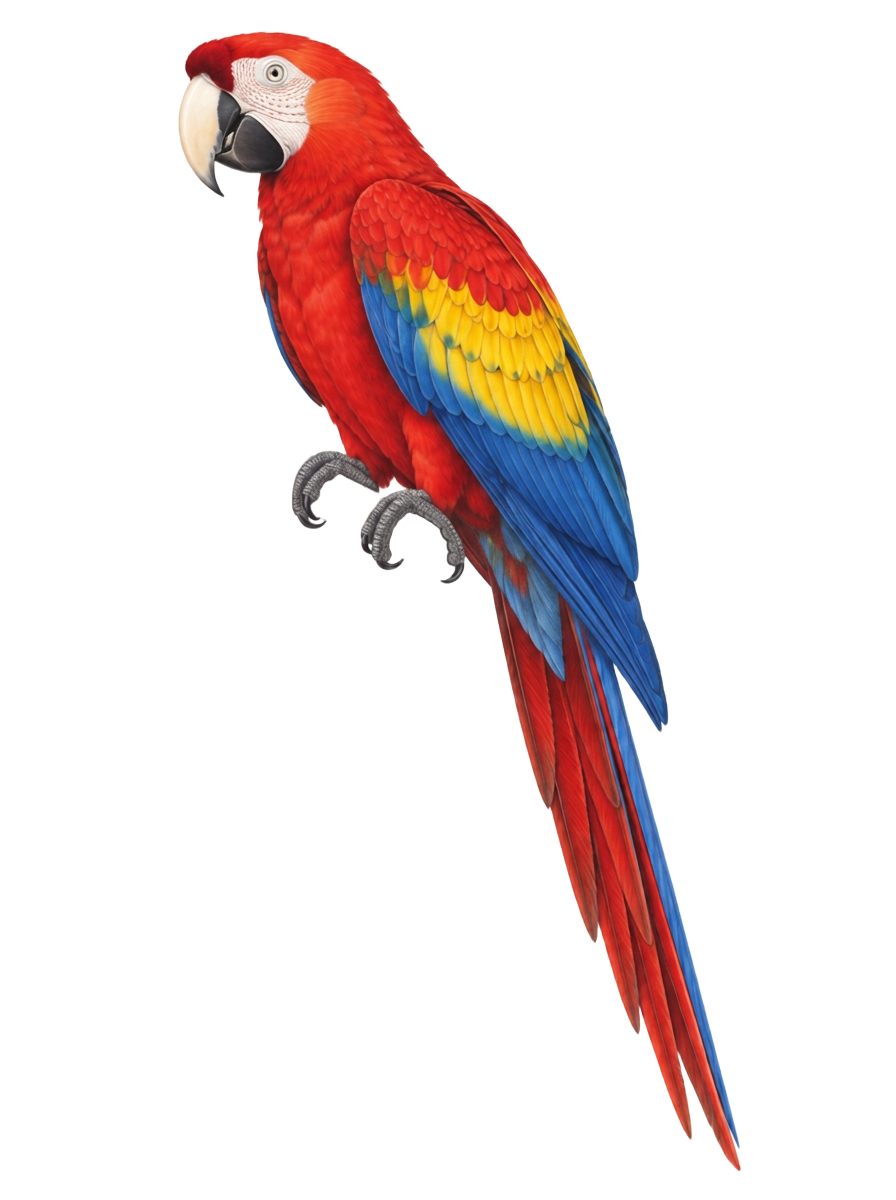
Natural-history drawing of a Scarlet MacawThe bird

Bird 01

Scarlet Macaw

Ara macao

Origin
Humid forests from southern Mexico through Central America and into northern South America.
Lifespan
Often 40–60 years in human care; some live longer.
Care
Needs extensive flight space, daily social time, strong foraging toys and regular care from an avian vet.
Green-winged Macaw inspired Poll-Parrot shoesThe shoe
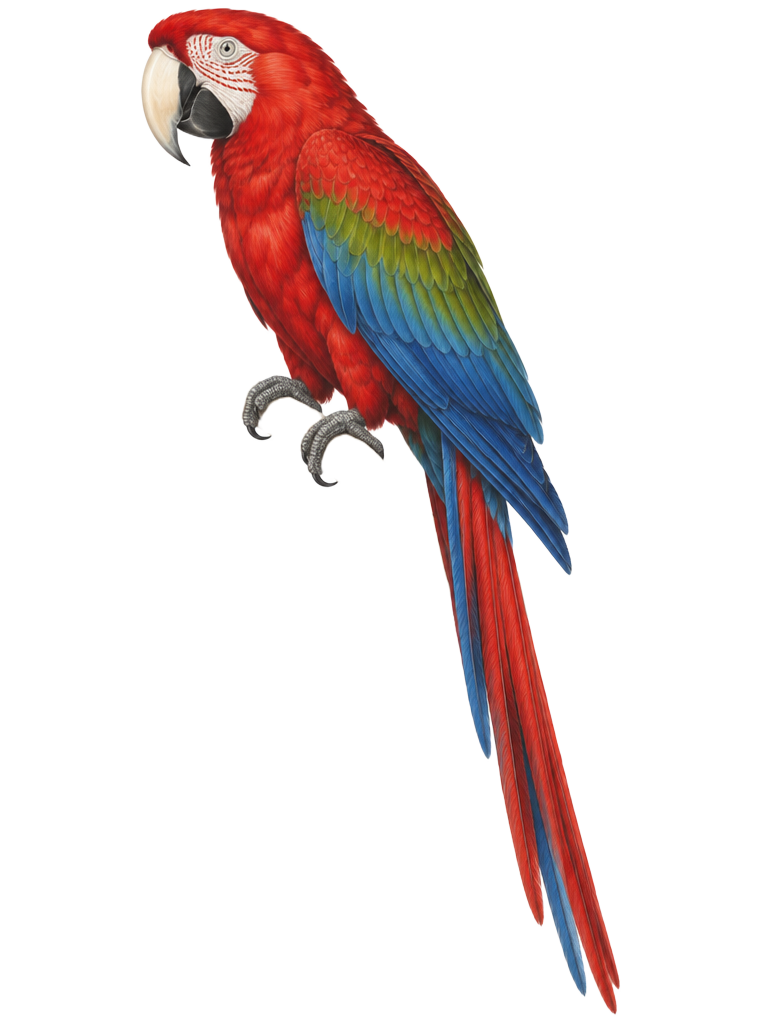
Natural-history drawing of a Green-winged MacawThe bird

Bird 02

Green-winged Macaw

Ara chloropterus

Origin
Tropical forests and wooded lowlands across northern and central South America.
Lifespan
Commonly 50–70 years in human care.
Care
Its powerful beak needs sturdy perches and safe chewing materials, alongside generous space and close daily companionship.
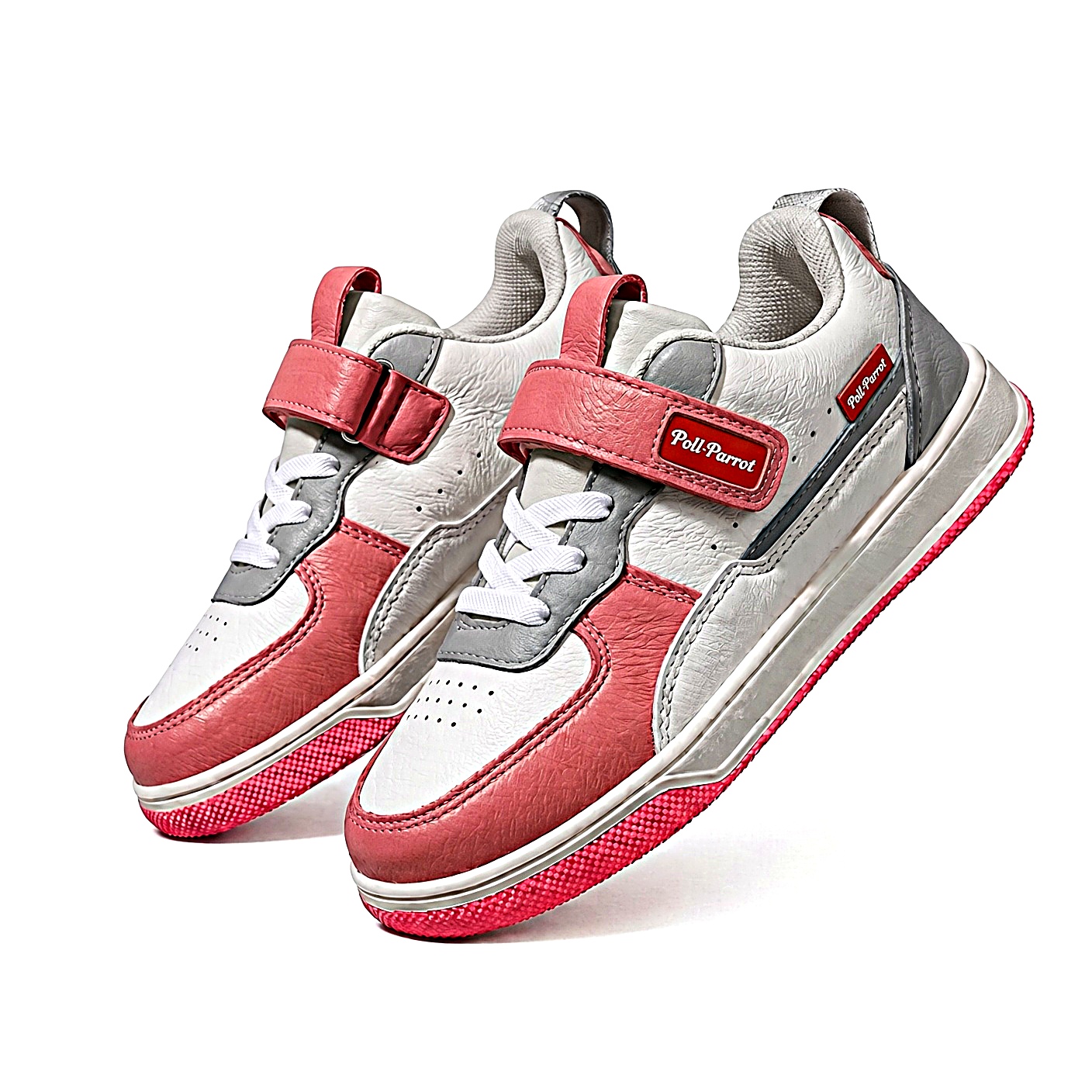
Eclectus inspired Poll-Parrot shoesThe shoe
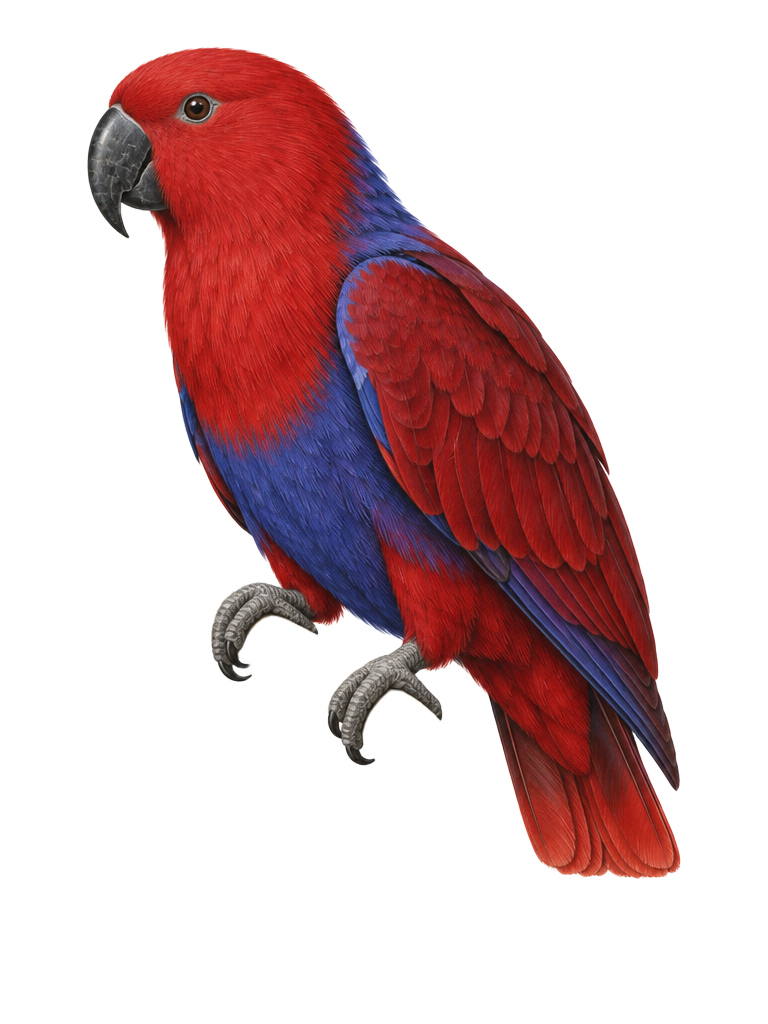
Natural-history drawing of a EclectusThe bird

Bird 03

Eclectus

Eclectus roratus

Origin
Rainforests of New Guinea, nearby Indonesian islands, the Solomon Islands and northeastern Australia.
Lifespan
Usually 30–50 years in human care.
Care
Females are naturally red and blue. Eclectus parrots need a varied, produce-rich diet planned with an avian vet, plus daily enrichment.
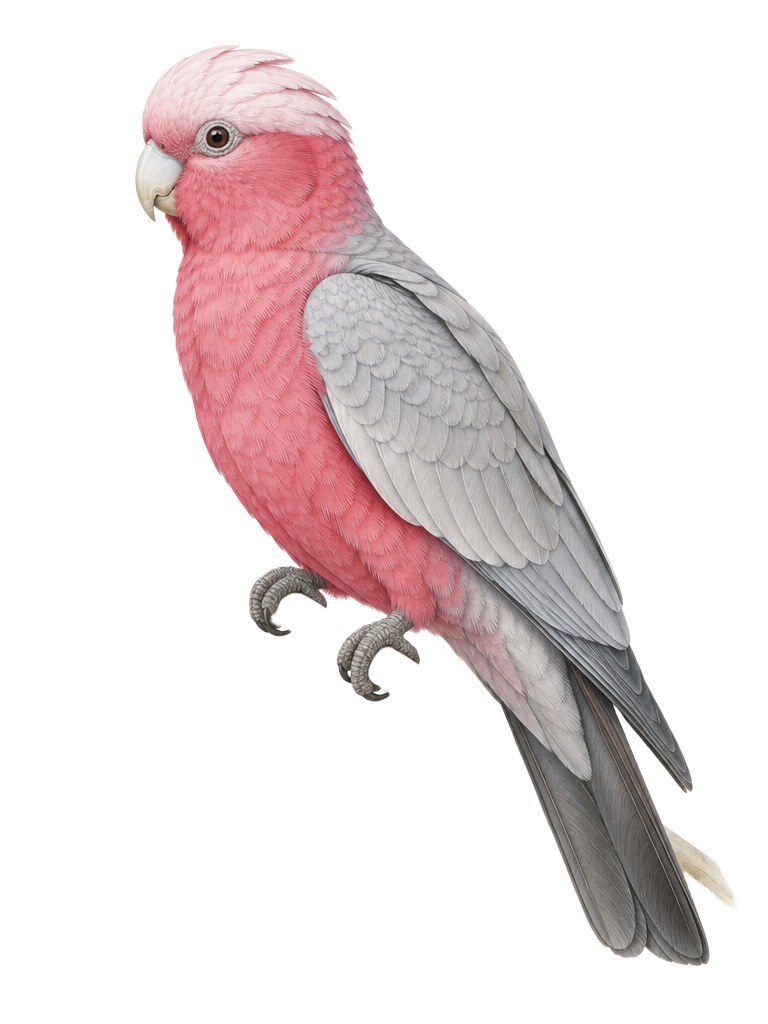
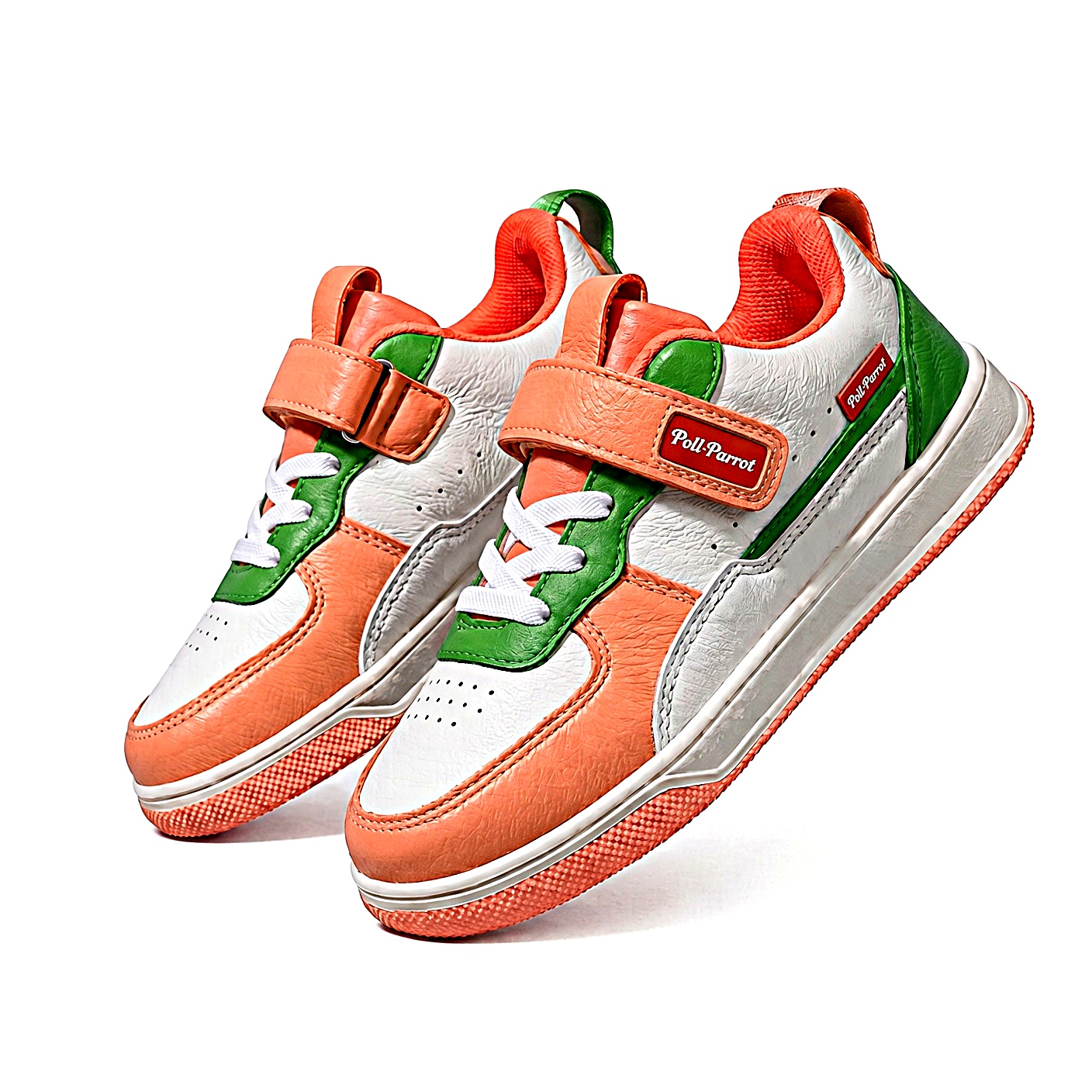
Galah inspired Poll-Parrot shoesThe shoe
Natural-history drawing of a GalahThe bird

Bird 04

Galah

Eolophus roseicapilla

Origin
Open country, grasslands and towns across most of mainland Australia.
Lifespan
Often 35–50 years in human care.
Care
Active and highly social, galahs need daily exercise, foraging and careful portioning to help prevent excess weight.
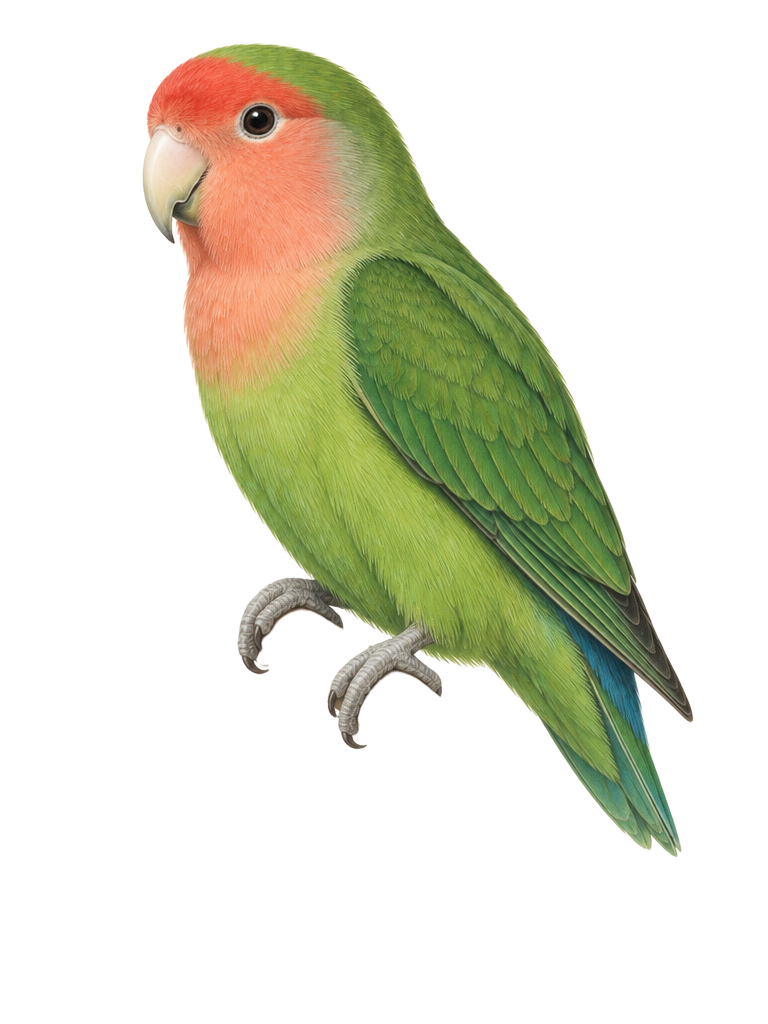
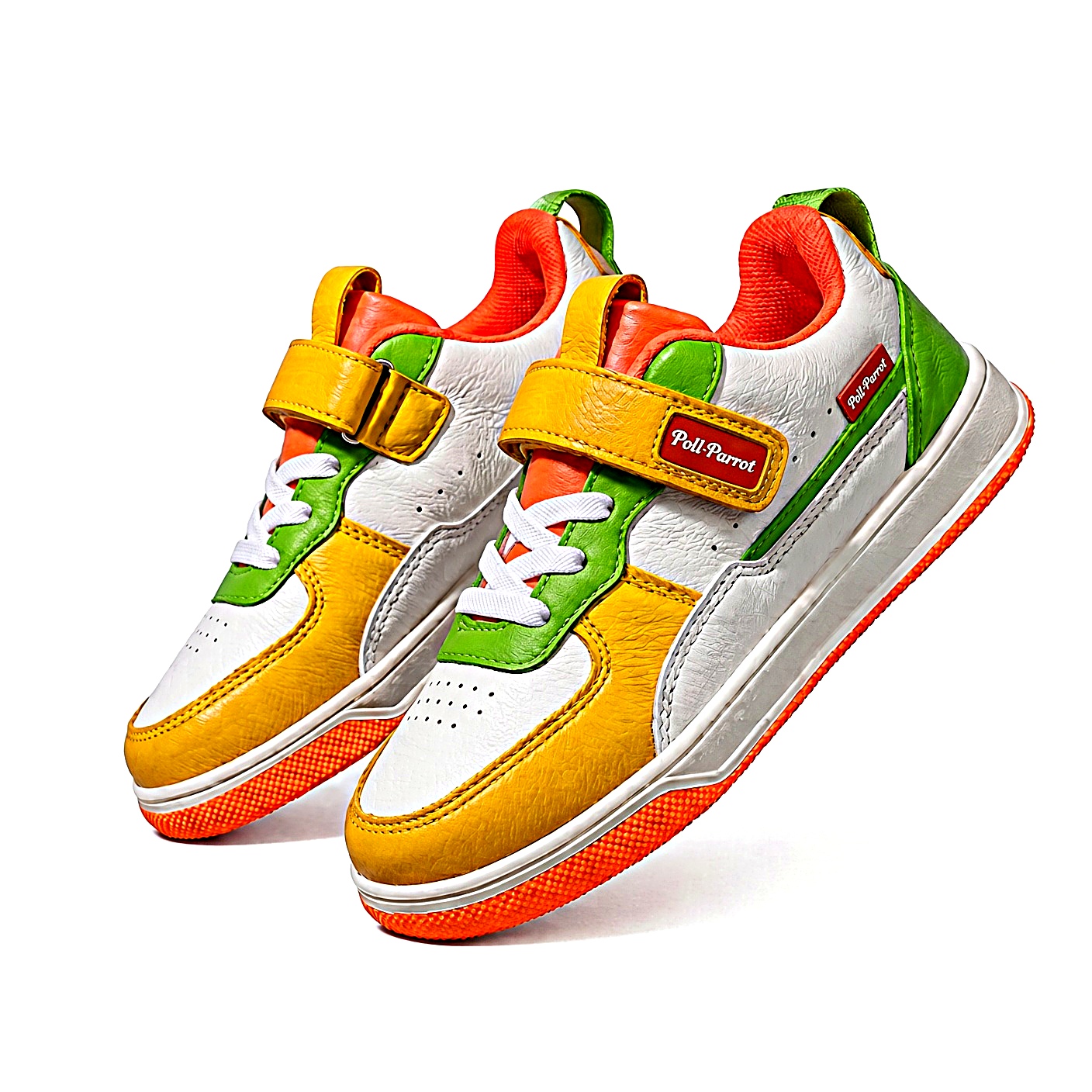
Peach-faced Lovebird inspired Poll-Parrot shoesThe shoe
Natural-history drawing of a Peach-faced LovebirdThe bird

Bird 05

Peach-faced Lovebird

Agapornis roseicollis

Origin
Dry woodland and scrub in southwestern Africa, especially Namibia and Angola.
Lifespan
Typically 12–20 years in human care.
Care
Small does not mean simple: lovebirds need room to fly, social contact and plenty of bird-safe materials to shred and forage through.
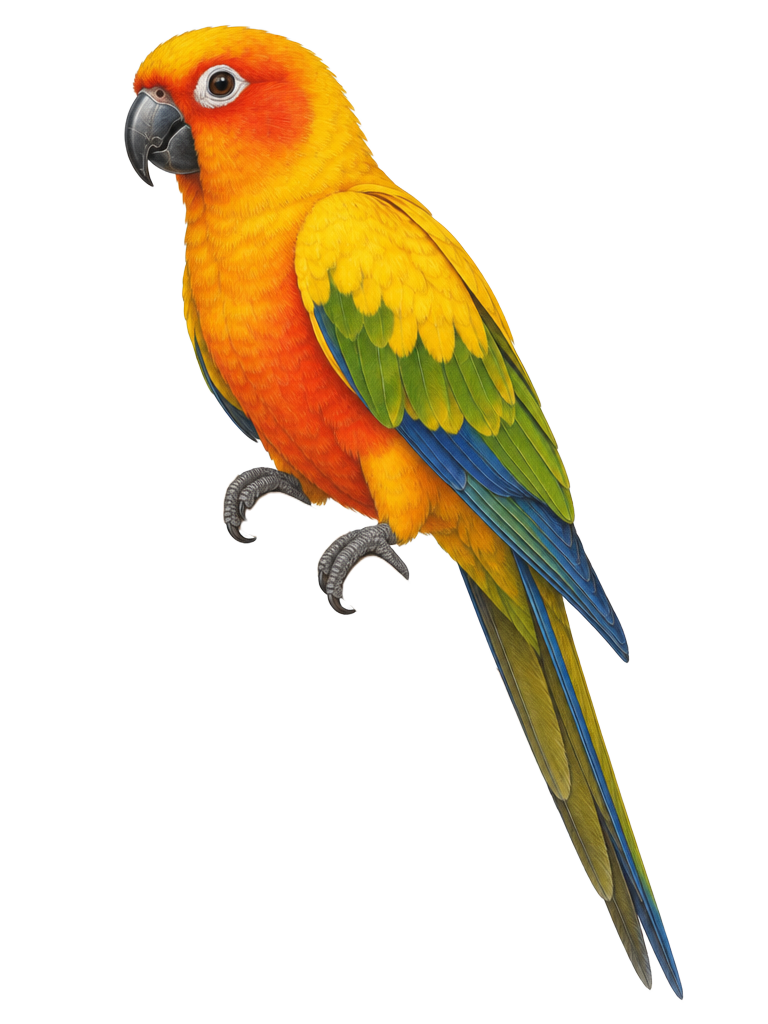
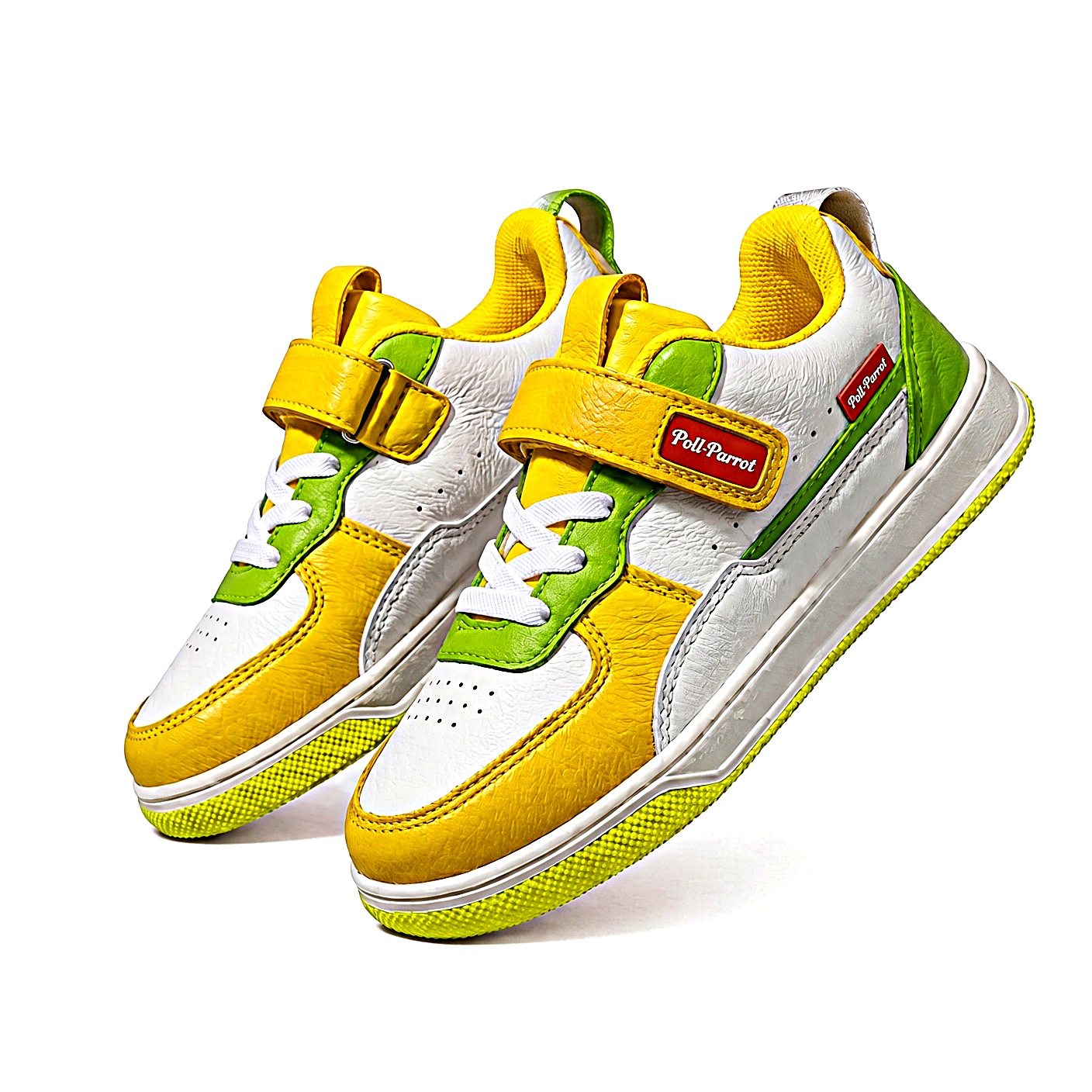
Sun Conure inspired Poll-Parrot shoesThe shoe
Natural-history drawing of a Sun ConureThe bird

Bird 06

Sun Conure

Aratinga solstitialis

Origin
A limited range in northeastern South America, principally Guyana and northern Brazil.
Lifespan
Usually 20–30 years in human care.
Care
Sun conures are naturally loud and sociable. They need daily supervised exercise, companionship and varied foraging activities.
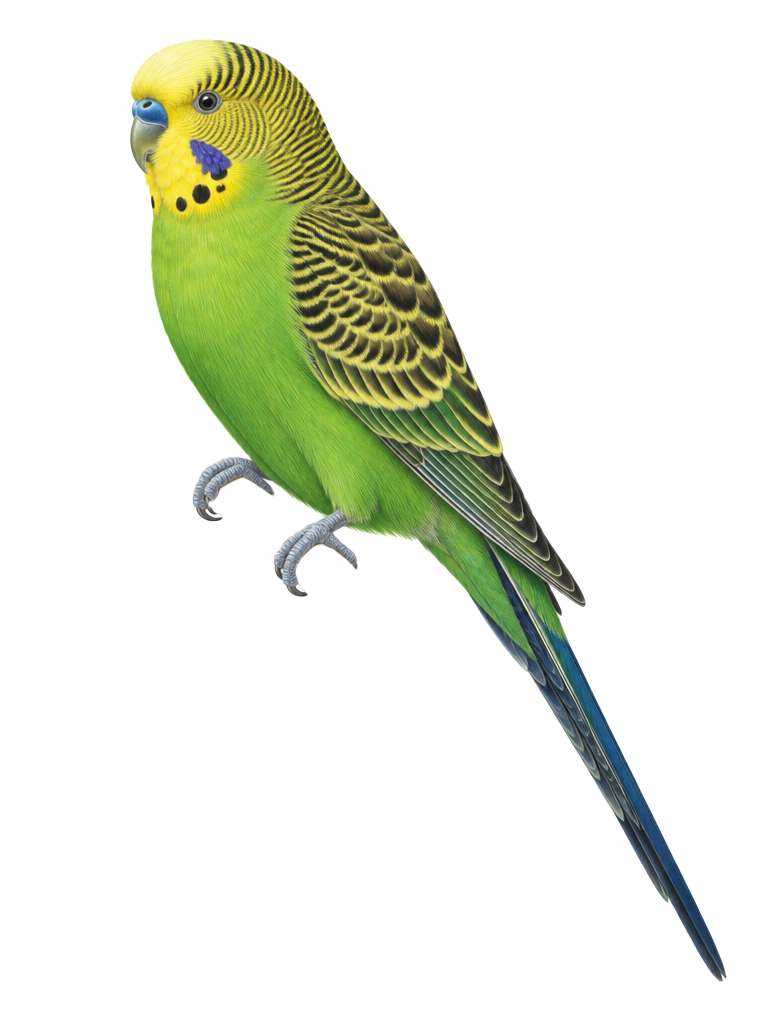
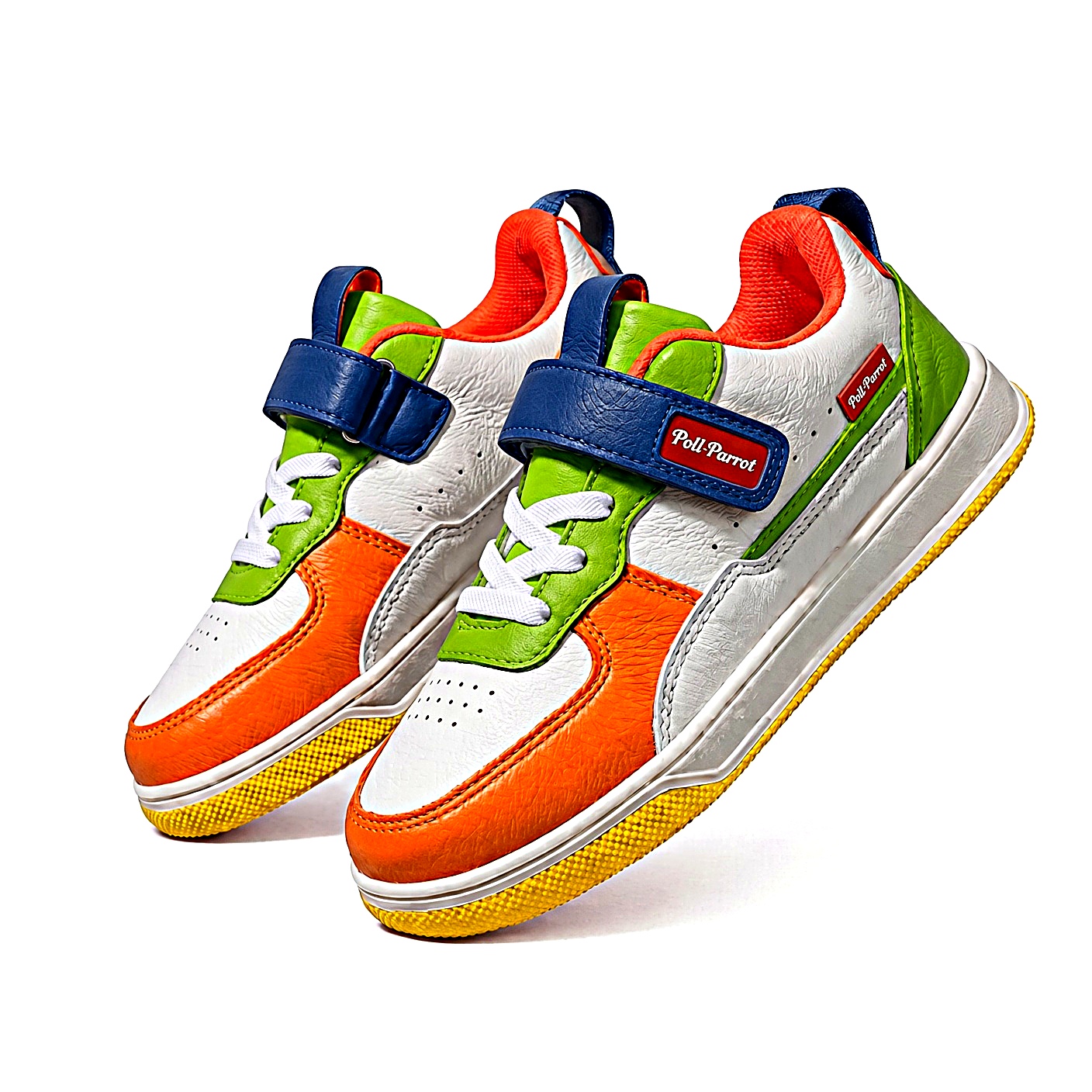
Budgerigar inspired Poll-Parrot shoesThe shoe
Natural-history drawing of a BudgerigarThe bird

Bird 07

Budgerigar

Melopsittacus undulatus

Origin
Open grasslands and semi-arid country throughout inland Australia.
Lifespan
Commonly 7–15 years in human care.
Care
Budgies flourish with social companionship, a wide flight space, fresh foods and enrichment that encourages climbing and foraging.
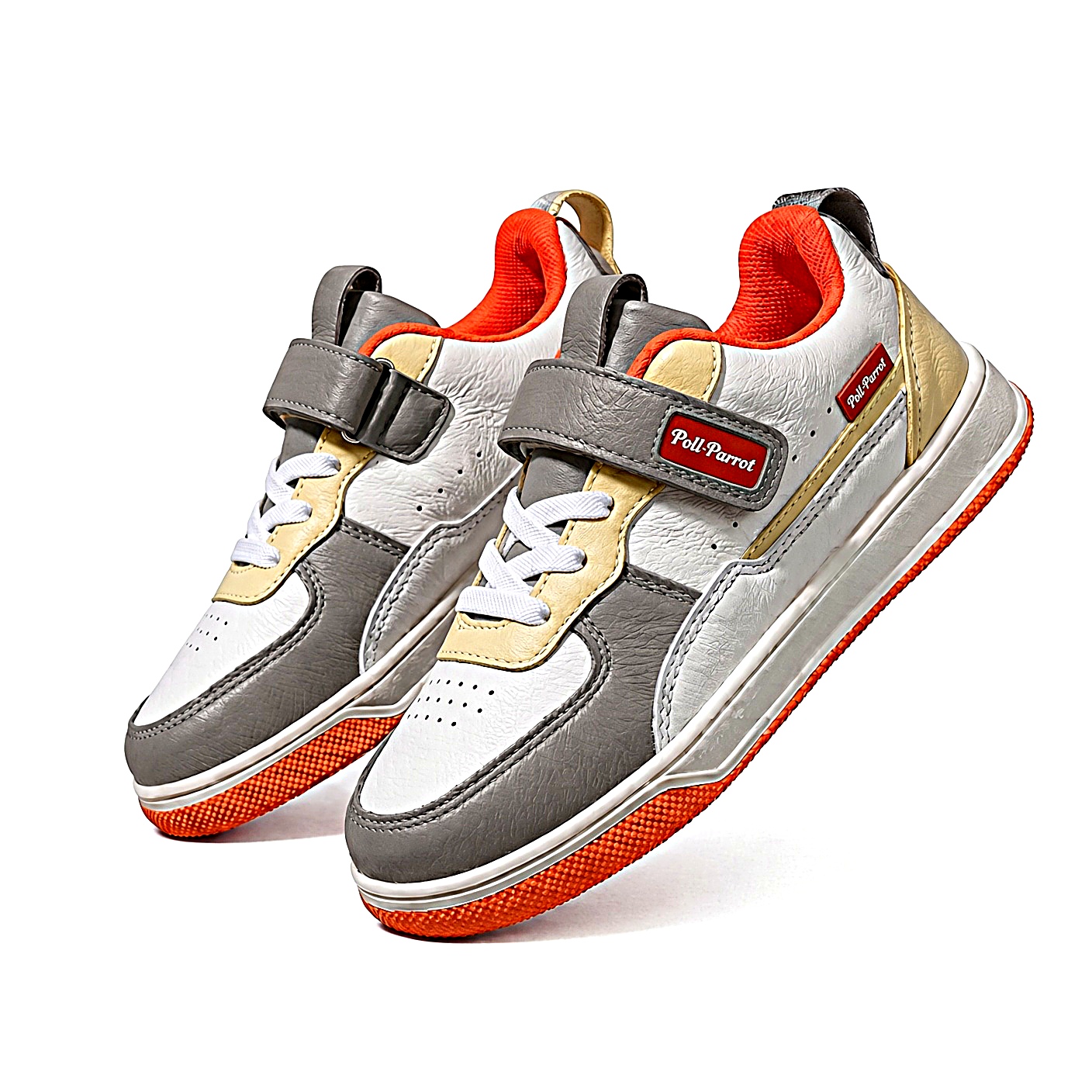
Rainbow Lorikeet inspired Poll-Parrot shoesThe shoe
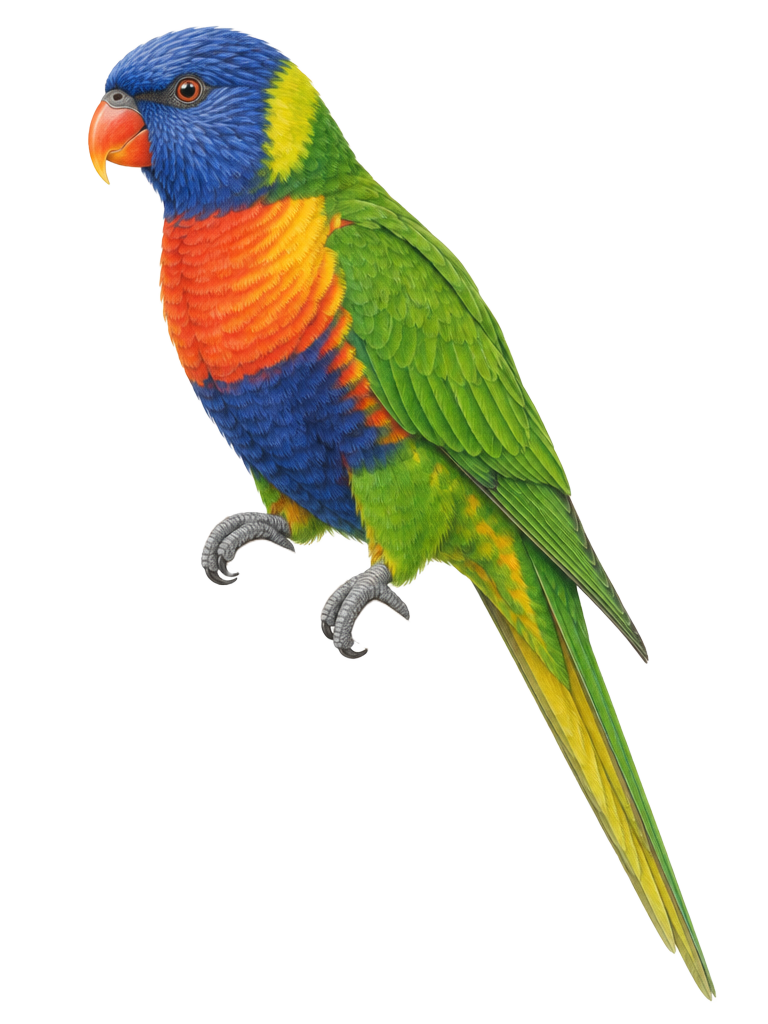
Natural-history drawing of a Rainbow LorikeetThe bird

Bird 08

Rainbow Lorikeet

Trichoglossus moluccanus

Origin
Rainforest, coastal woodland and urban areas along eastern Australia.
Lifespan
Often 15–25 years in human care.
Care
Its brush-tipped tongue is made for nectar and pollen. A specialist lorikeet diet, scrupulous hygiene and ample activity are essential.
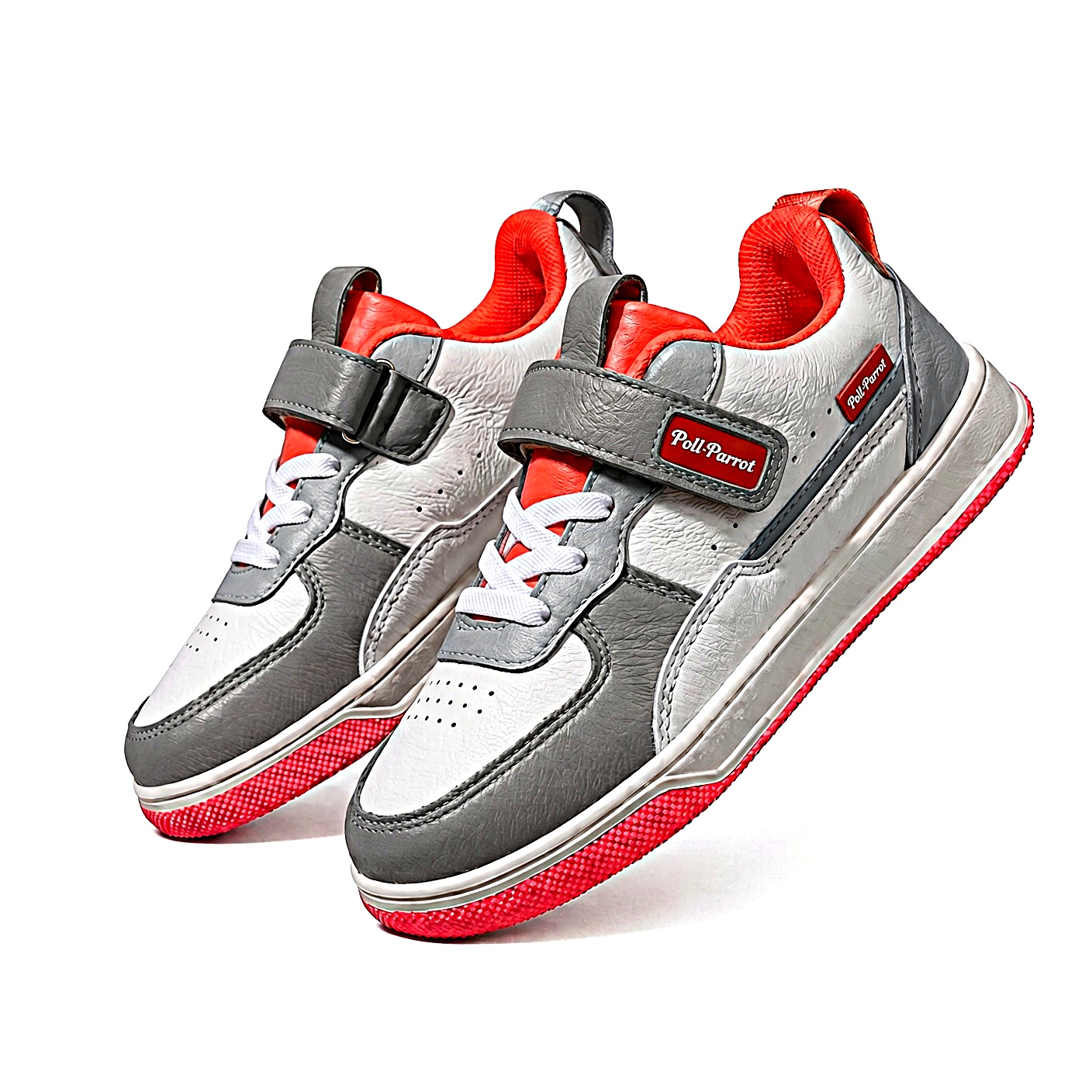
Cockatiel inspired Poll-Parrot shoesThe shoe
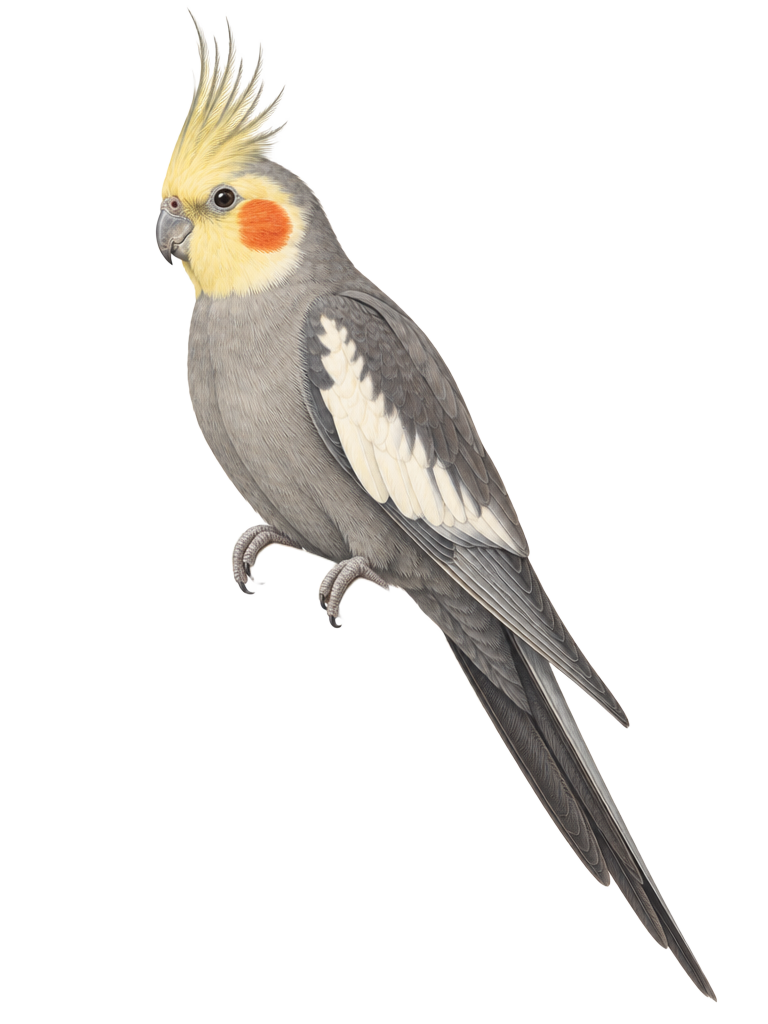
Natural-history drawing of a CockatielThe bird

Bird 09

Cockatiel

Nymphicus hollandicus

Origin
Open, arid and semi-arid regions across mainland Australia.
Lifespan
Usually 15–20 years in human care.
Care
Cockatiels need companionship, safe daily flight and opportunities to forage; varied foods are healthier than an all-seed diet.
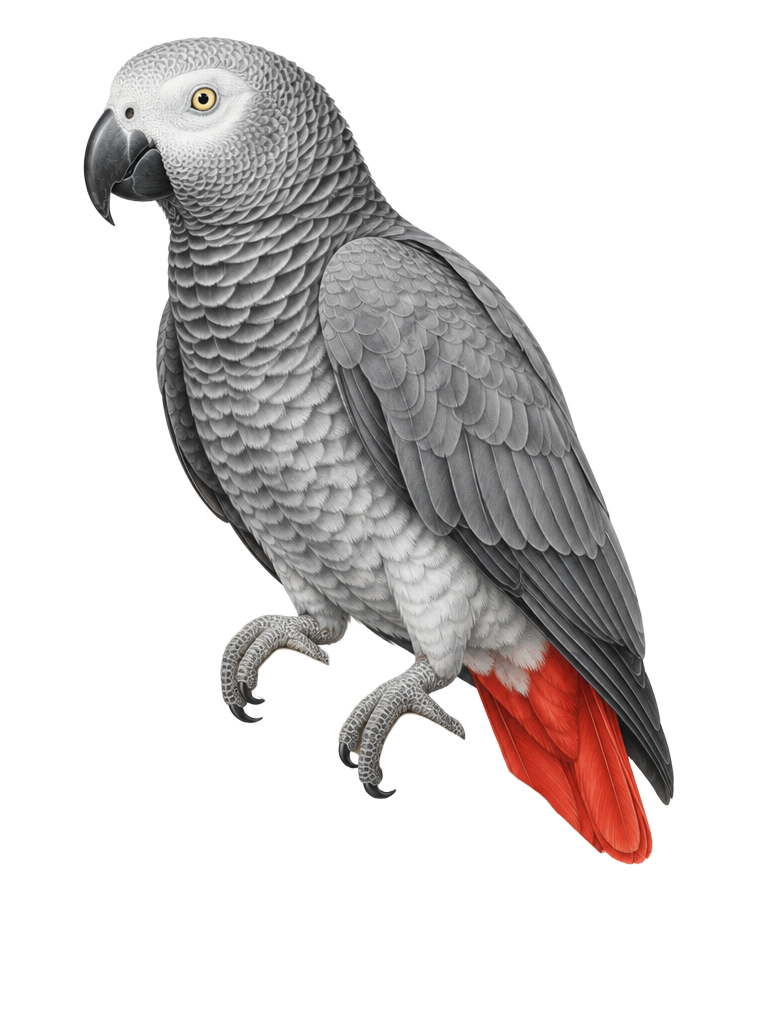
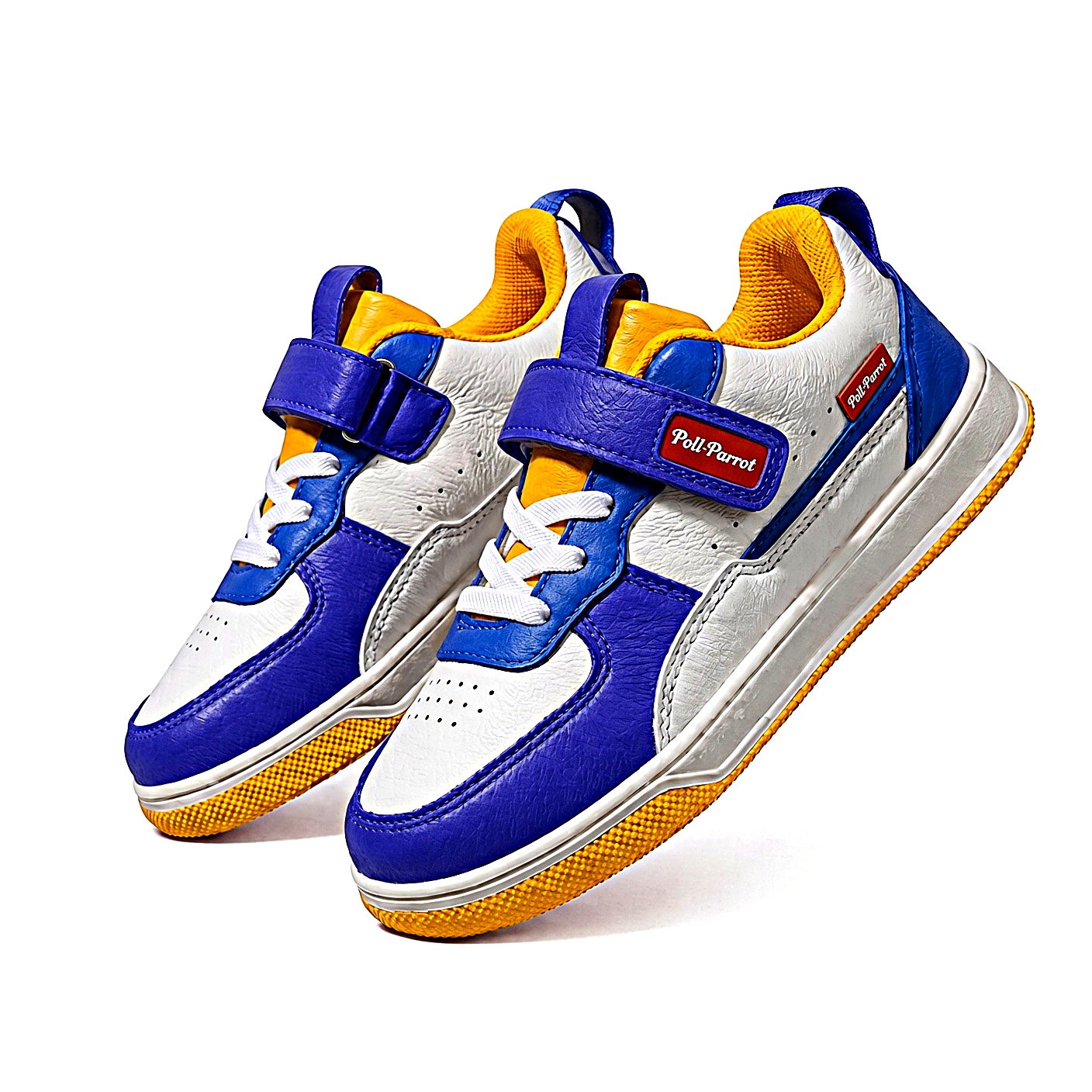
African Grey inspired Poll-Parrot shoesThe shoe
Natural-history drawing of a African GreyThe bird

Bird 10

African Grey

Psittacus erithacus

Origin
Lowland forests of West and Central Africa.
Lifespan
Often 40–60 years in human care.
Care
Exceptionally intelligent and sensitive, African greys need predictable routines, complex enrichment, social time and specialist nutrition.
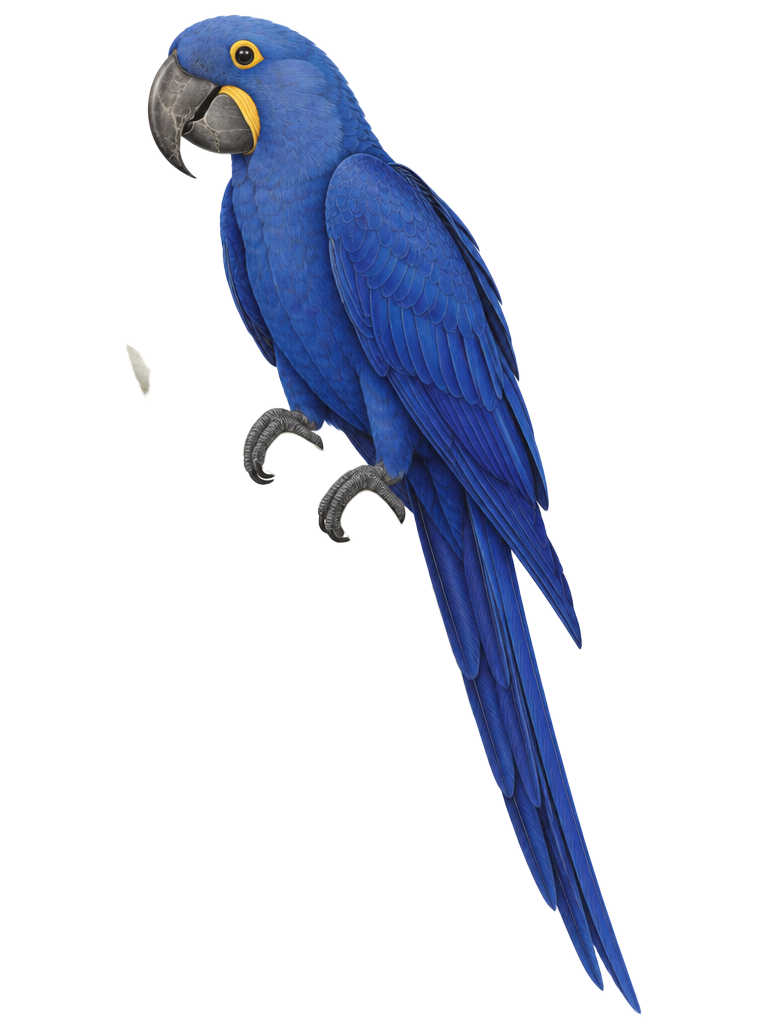
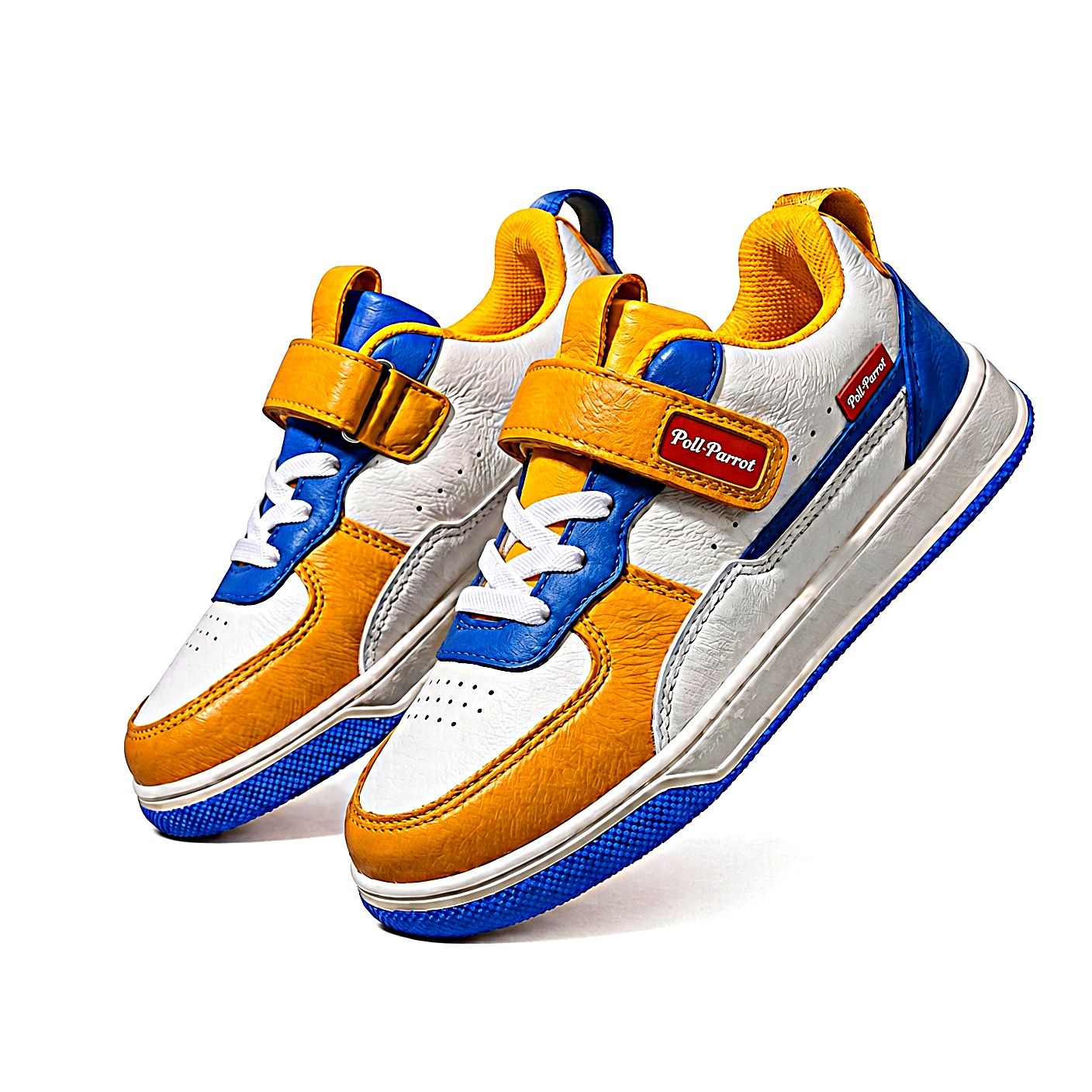
Hyacinth Macaw inspired Poll-Parrot shoesThe shoe
Natural-history drawing of a Hyacinth MacawThe bird

Bird 11

Hyacinth Macaw

Anodorhynchus hyacinthinus

Origin
Palm savannas, woodlands and wetlands in central and eastern South America.
Lifespan
Commonly 40–60 years in human care.
Care
The largest flying parrot requires enormous secure space, exceptionally robust enrichment and a carefully managed specialist diet.
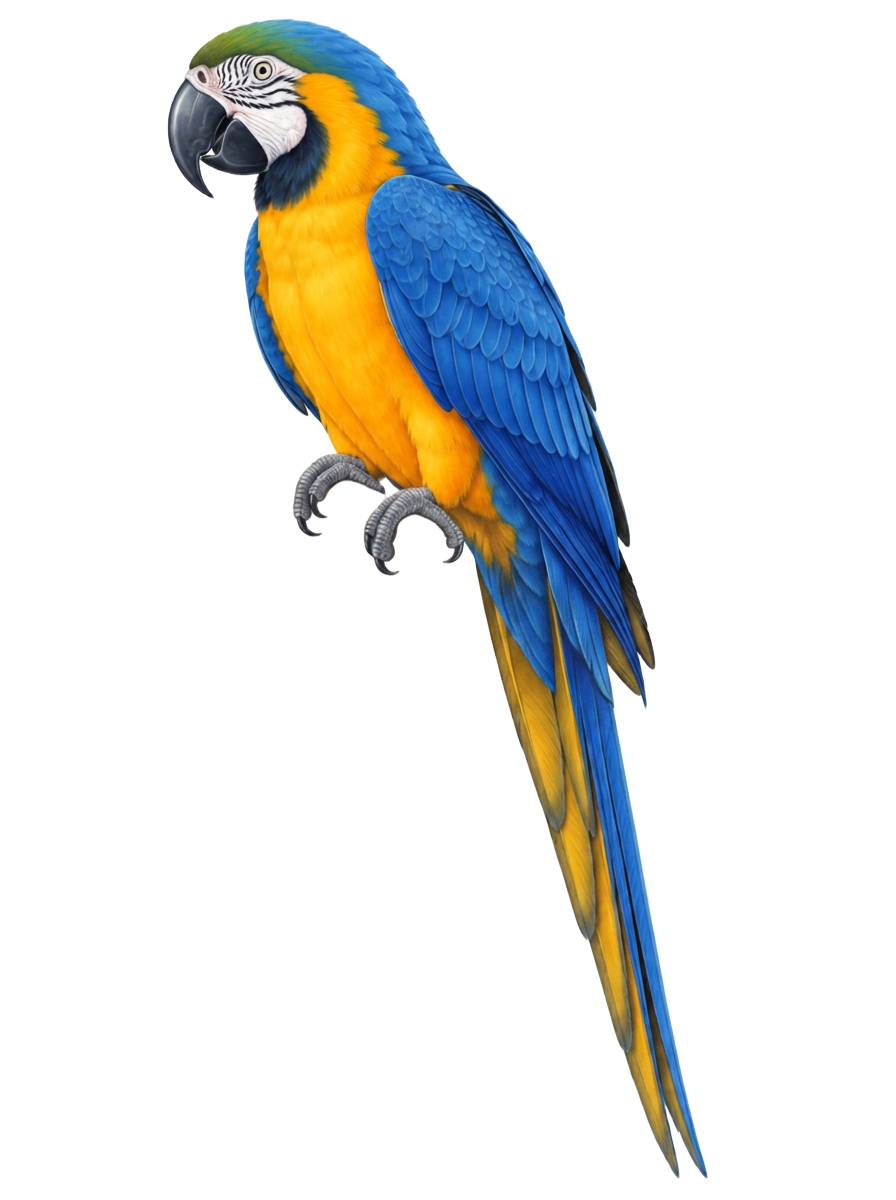
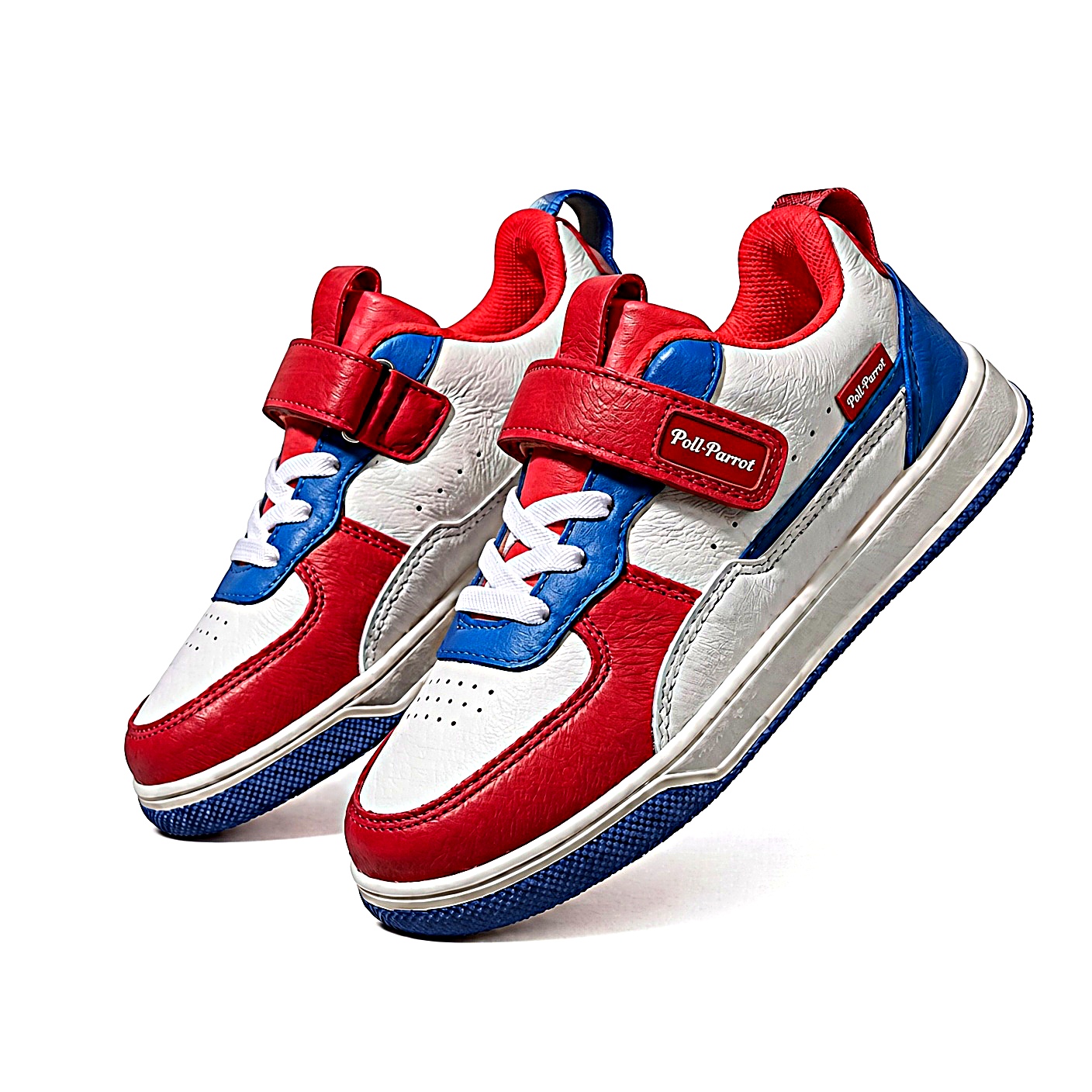
Blue-and-Gold Macaw inspired Poll-Parrot shoesThe shoe
Natural-history drawing of a Blue-and-Gold MacawThe bird

Bird 12

Blue-and-Gold Macaw

Ara ararauna

Origin
Forests, palm swamps and wooded savannas from Panama into tropical South America.
Lifespan
Often 40–60 years in human care.
Care
Needs hours of interaction and exercise each day, with room to stretch its wings and sturdy puzzles that make feeding active.
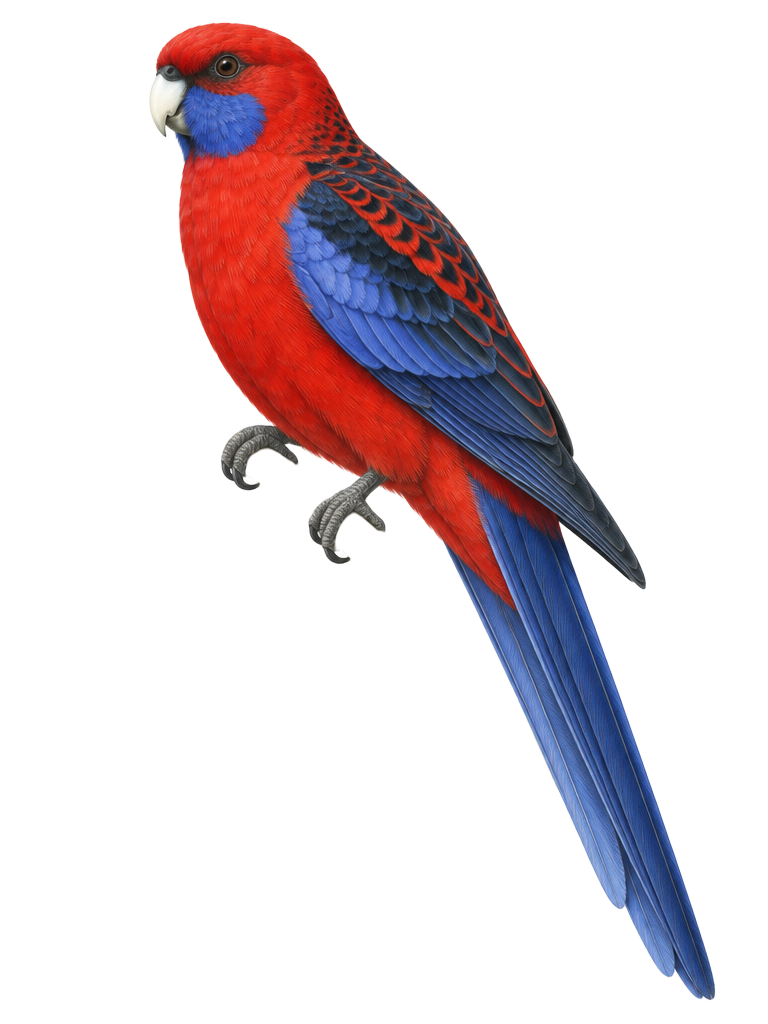
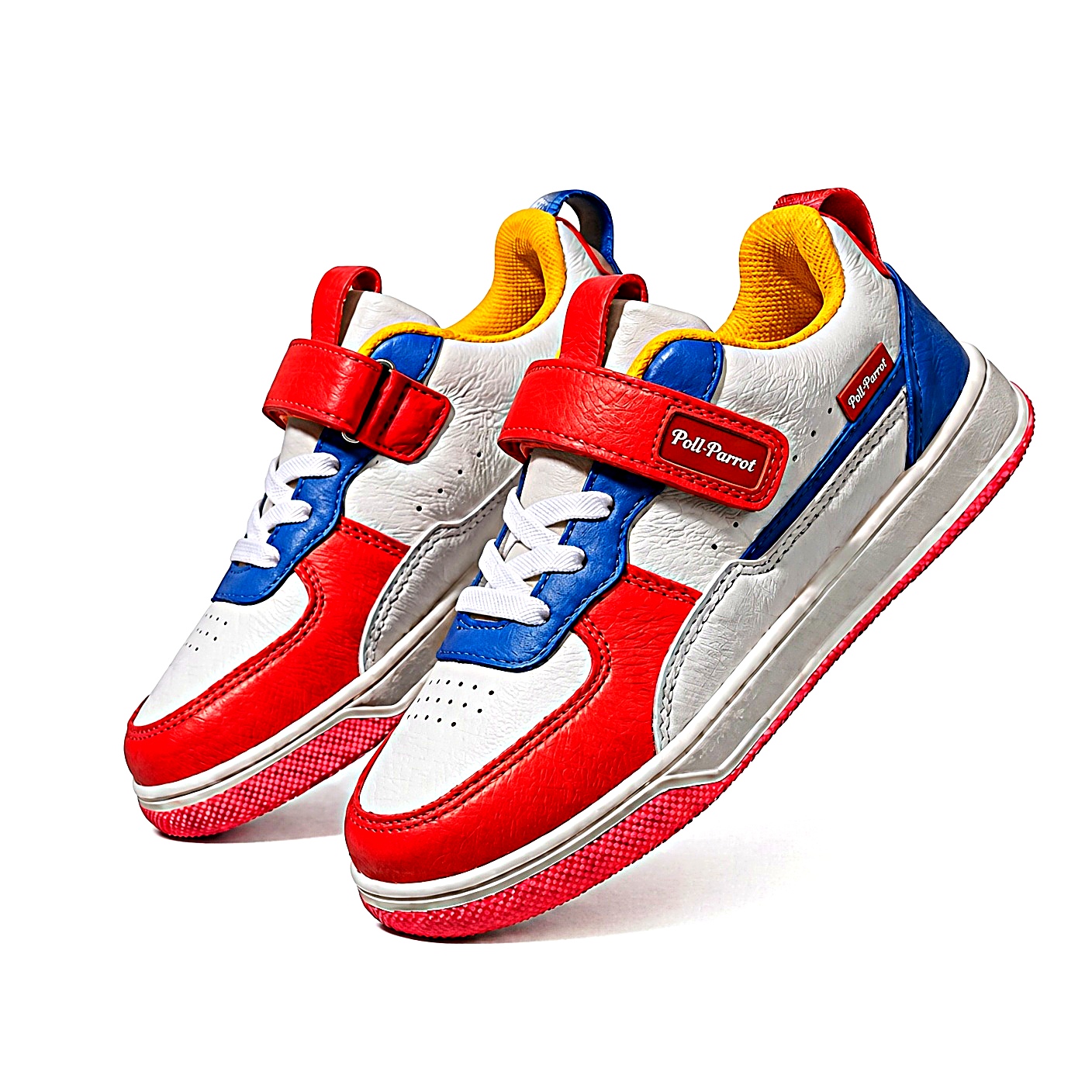
Crimson Rosella inspired Poll-Parrot shoesThe shoe
Natural-history drawing of a Crimson RosellaThe bird

Bird 13

Crimson Rosella

Platycercus elegans

Origin
Forests, woodlands and gardens in eastern and southeastern Australia.
Lifespan
Usually 15–25 years in human care.
Care
Rosellas value flight space and calm, respectful interaction. Provide natural branches, bathing water and varied foraging opportunities.

A lifelong promise

Admire first. Adopt thoughtfully.

Parrots are intelligent, social and often very long-lived. They are not low-maintenance pets, and many households cannot meet their needs. Anyone considering a parrot should speak with an avian veterinarian and a reputable rescue before making a commitment.

Back to the collection

Care guidance is general and does not replace advice from an avian veterinarian. Reference organisations: World Parrot Trust, LafeberVet, Royal Veterinary College, VCA Animal Hospitals, World Wildlife Fund, BirdLife Australia.